Karter Advanced Facial Plastic Surgery
120 Hebron Ave., Suite 2A
Glastonbury, CT 06033
Phone: (860) 775-5595
Hours:
Monday: 8 a.m.–4 p.m.
Tuesday: 8 a.m.–4 p.m.
Wednesday: 8 a.m.–4 p.m.
Thursday: 8 a.m.–4 p.m.
Friday: 8 a.m.–3 p.m.
Extended evening and Saturday hours available for skincare services.
Please call to inquire.
Several facelift techniques exist to address the changes that develop with facial aging. The distinction between these approaches lies in which structures they address and how they reposition the tissue.
Double board-certified facial plastic surgeon Dr. Nicholas Karter focuses exclusively on the deep plane facelift technique. In his skilled hands, this approach offers the most consistent and meaningful improvement for patients of all ages compared to more limited or superficial facelift techniques. At Karter Advanced Facial Plastic Surgery, the deep plane facelift helps patients from Glastonbury and Hartford, Connecticut, and beyond achieve results that look more natural and last significantly longer.
Deep Plane Facelift
Before & After Photos

Deep Plane Facelift
Before & After Photos
Deep Plane Facelift Case #218

Deep Plane Facelift
Before & After Photos
Deep Plane Facelift Case #5

Deep Plane Facelift
Before & After Photos
Deep Plane Facelift Case #10

Deep Plane Facelift
Before & After Photos
Deep Plane Facelift Case #106

Deep Plane Facelift
Before & After Photos
Deep Plane Facelift Case #108

Deep Plane Facelift
Before & After Photos
Deep Plane Facelift Case #203

Deep Plane Facelift
Before & After Photos
Deep Plane Facelift Case #102

Deep Plane Facelift
Before & After Photos
Deep Plane Facelift Case #217
Keep in mind that each patient is unique and your results may vary.
Why Does Facelift Technique Selection Matter?
Facelift technique selection matters because different surgical approaches address different layers of the face and produce different levels of correction and longevity.
Selecting the appropriate technique affects:
- How natural the result looks
- Which facial areas improve most
- How long results typically last
- Whether complementary procedures may be needed
Understanding these differences helps inform decisions about facelift candidacy and steers patients away from choosing a procedure based on facelift trends. Patients who are still weighing their options may also want to explore surgical and nonsurgical alternatives to facelift surgery before deciding which approach best fits their goals.
What Are the Different Types of Facelift Techniques?
While Dr. Karter exclusively performs the deep plane facelift, the most commonly discussed types of facelift techniques also include the traditional (skin-only) facelift, SMAS facelift, and mini facelift. These techniques differ primarily in which anatomical layers are addressed and how facial tissues are repositioned, not simply by incision placement.
| Technique | Typically Used For | Primary Focus | Longevity |
|---|---|---|---|
| Traditional (Skin-Only) Facelift | Mild to moderate aging; mild improvements in jawline; no improvements to cheeks | Skin tightening with limited to no SMAS adjustment | Shorter-term |
| SMAS Facelift | Moderate facial sagging; improves jowls, jawline & neck; limited to no cheek improvements | Tightening the SMAS structural support layer | Moderate |
| Deep Plane Facelift | Early to advanced aging and tissue descent; improves jowls, jawline, cheeks & neck | Releasing and repositioning deeper facial structures as a unit | Long-lasting |
| Mini Facelift | Early signs of aging | Limited correction focused around the jawline; no effect on cheeks or neck | Shorter-term |
Traditional Facelift: Skin & Limited SMAS Tightening
A traditional facelift typically involves tightening the skin while making limited to no adjustments to the underlying superficial musculoaponeurotic system (SMAS) support layer. This approach can improve mild sagging but generally provides limited correction of deeper tissue descent compared with techniques that reposition the SMAS more extensively.
- Typically used for: Mild to moderate laxity
- Improves: Surface-level skin looseness; mild jawline improvement; no improvements in cheeks
- Longevity: Shorter compared to deeper techniques
SMAS Facelift: Structural Support Layer Repositioning
A SMAS facelift focuses on tightening the SMAS structural support layer beneath the skin without releasing the SMAS from the underlying tissue. By pulling and securing this deeper layer, surgeons can improve contour in the jawline, jowls, and neck while reducing tension on the skin. There is little improvement in the cheeks.
- Typically used for: Moderate facial sagging
- Improves: Jowls, jawline, neck; minimal improvement to cheeks
- Longevity: Moderate; longer than traditional techniques but shorter than deep plane
Deep Plane Facelift: Advanced Structural Repositioning
Dr. Karter’s deep plane facelift releases and repositions deeper facial structures (SMAS) as a single unit, rather than pulling tissues separately. This “tension-free” method allows for vertical lift of the cheeks, improved jawline definition, reduced tension on the incisions to support favorable scar healing, and more natural correction of facial aging without a “pulled” appearance.
- Typically used for: Comprehensive correction of facial aging at all points along the aging spectrum
- Improves: Cheeks, jawline, neck in a balanced way
- Longevity: Long-lasting results
At Karter Advanced Facial Plastic Surgery, Dr. Karter performs an extended deep plane facelift combined with a deep neck lift to address facial and neck aging as a single, integrated correction. His highly customized approach also incorporates meticulous refinements to the neck and jawline, including submandibular gland reduction, the mastoid crevasse technique, and buccal fat repositioning, when indicated. This strategy consistently delivers seamless, long-lasting results. It is commonly considered among the most natural-looking facelift approaches, selected when patients want significant rejuvenation that still looks perfectly natural, leaving them looking like themselves 10 to 15 years ago.
Mini Facelift: Limited Correction
A mini facelift uses shorter incisions and focuses on early signs of aging, typically around the jawline, with limited improvement to the jowls, cheeks, and neck. While recovery may be quicker, this approach does not address deeper tissue descent and may not provide sufficient correction for patients with moderate to advanced aging.
- Typically used for: Early aging changes
- Improves: Limited jawline laxity
- Longevity: Shorter-term results
Patients considering this option should understand its limitations to avoid disappointment. Learn more about mini facelift surgery versus a full facelift and why a deep plane facelift delivers comprehensive correction for patients of all ages.
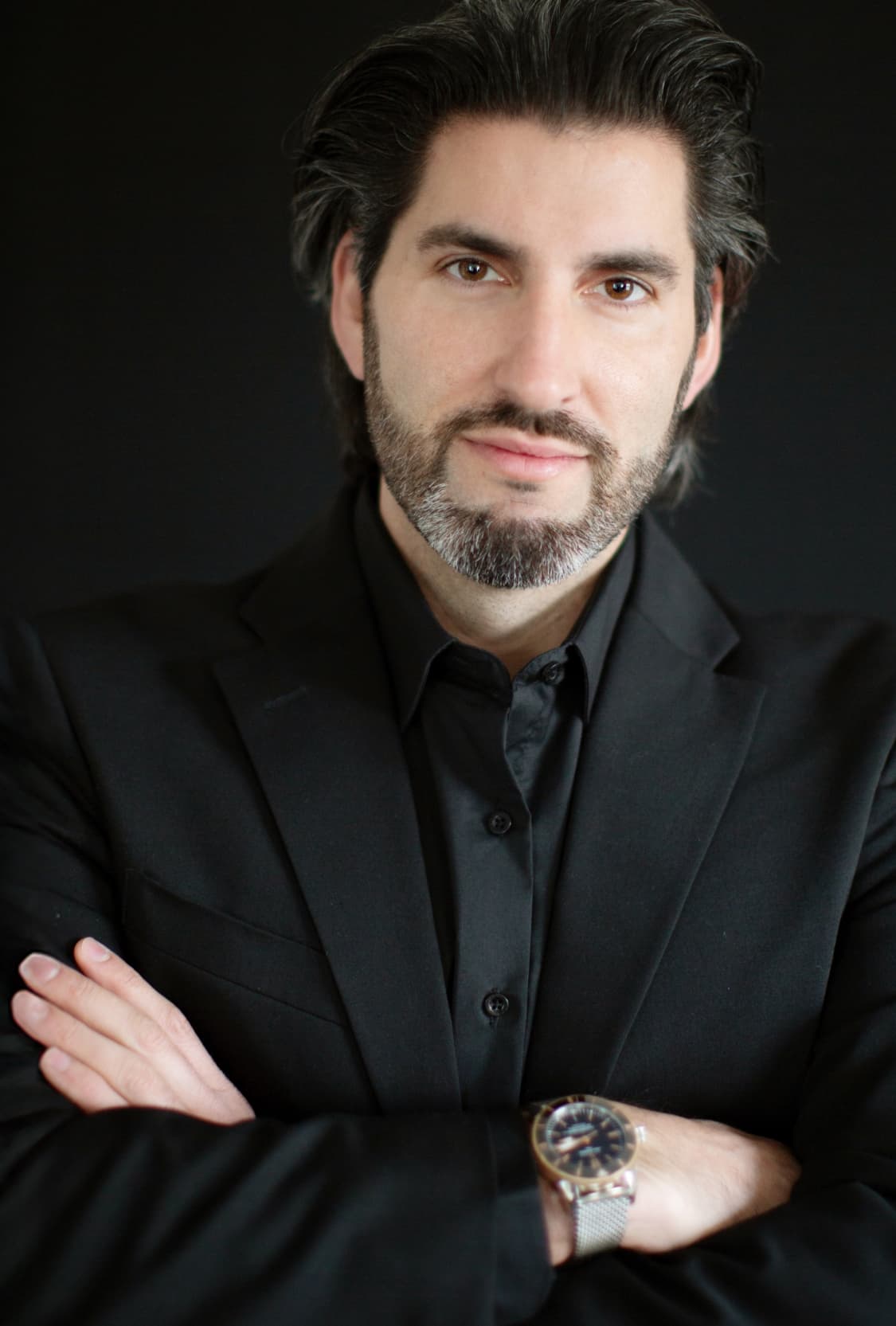
Meet Dr. Nicholas Karter
Dr. Karter is fellowship-trained, double board-certified facial plastic surgeon known for his exceptional results and patient-first philosophy. Learn what sets him apart below:
- Voted "Best Plastic Surgeon in Hartford"
- 15 Years of Facial Plastic Surgeon Experience
- Certified by 2 Prestigious Medical Boards
- Completed an Elite AAFPRS Fellowship
- 4.9 Average Rating on Google




What Does Each Technique Address?
Different facelift techniques enhance specific facial regions:
- Jawline: SMAS and deep plane techniques provide the most meaningful definition
- Cheeks: Deep plane approaches offer the most natural-looking midface elevation
- Neck: Often improved when facelift techniques are combined with a deep plane neck lift
For many patients, combining a facelift with upper blepharoplasty, lower blepharoplasty, or a brow lift achieves comprehensive rejuvenation.
How Long Do Facelift Results Last?
Facelifts vary in longevity based on technique, with the deep plane facelift typically lasting 10+ years, depending on the extent of dissection and individual aging factors. Longevity is influenced by the depth of correction and how facial tissues are repositioned. Techniques that address deeper structural layers generally provide longer-lasting improvement compared to skin-focused approaches.
Lifestyle factors, skin quality, and genetics also play a role, but selecting the appropriate technique lays the foundation for durable results.
How Does Dr. Karter Customize Your Facelift Plan?
During the consultation, Dr. Karter evaluates facial structure, tissue descent, skin quality, and balance between the face and neck to customize your surgical plan. With fellowship training in facial plastic surgery, Dr. Karter brings a refined understanding of facial aging patterns to technique selection that goes beyond anatomy alone.
His meticulous assessment helps determine:
- Which anatomical layers need correction
- Whether a facelift alone is sufficient or should be combined with other procedures
- How to achieve natural-looking rejuvenation without overcorrection
Dr. Karter’s goal is always to create the treatment plan that best fits your anatomy and aesthetic goals while delivering natural, long-lasting results. For most patients, a deep plane facelift delivers this outcome and represents a more meaningful, long-term investment compared to traditional facelift techniques.
Why Expertise Matters More Than Trends
Facelift trends and viral procedure names often oversimplify complex surgical decisions. Dr. Karter evaluates your unique facial structure, aging pattern, and long-term goals to recommend treatment based on anatomy and predictability—not popularity. Patients benefit most when surgical planning is guided by experience and structural insight rather than trends and marketing terms.
Dr. Karter is double board certified in facial plastic and reconstructive surgery and otolaryngology-head and neck surgery, and completed a fellowship in facial plastic surgery through the American Academy of Facial Plastic and Reconstructive Surgery at The Langsdon Clinic. He has performed approximately 400 facelift procedures and has been recognized as Best Cosmetic Surgeon by the Hartford Courant’s “Best of Hartford” multiple times. When you place your trust in Dr. Karter, you gain peace of mind knowing your goals are understood and your results are approached with care and precision.
When To Speak With a Facial Plastic Surgeon
If you’re exploring facelift surgery and want to understand how a deep plane facelift can be customized for your anatomy and goals, the next best step is to request a personalized consultation with Dr. Karter. Every consultation prioritizes a detailed evaluation of your facial anatomy, aging patterns, and goals with clear, honest recommendations and guidance.
Complete the online form or call us at (860) 775-5595 to begin exploring your facial rejuvenation options.
Request a Consultation