Karter Advanced Facial Plastic Surgery
120 Hebron Ave., Suite 2A
Glastonbury, CT 06033
Phone: (860) 775-5595
Hours:
Monday: 8 a.m.–4 p.m.
Tuesday: 8 a.m.–4 p.m.
Wednesday: 8 a.m.–4 p.m.
Thursday: 8 a.m.–4 p.m.
Friday: 8 a.m.–3 p.m.
Extended evening and Saturday hours available for skincare services.
Please call to inquire.
Ideal candidates for facelift surgery are people with visible facial aging—such as sagging cheeks, jowls, or neck laxity—that cannot be meaningfully improved with skin care or nonsurgical treatments. Facelift surgery addresses these changes by restoring deeper facial support structures rather than simply tightening the skin.
As a double board-certified facial plastic and reconstructive surgeon, Dr. Nicholas Karter approaches facelift consultations with patients from Glastonbury and Hartford, Connecticut, by looking beyond what has visibly changed in the face. He evaluates why those changes have become noticeable and whether facelift surgery is the most appropriate next step.
Deep Plane Facelift
Before & After Photos

Deep Plane Facelift
Before & After Photos
Deep Plane Facelift Case #218

Deep Plane Facelift
Before & After Photos
Deep Plane Facelift Case #5

Deep Plane Facelift
Before & After Photos
Deep Plane Facelift Case #10

Deep Plane Facelift
Before & After Photos
Deep Plane Facelift Case #106

Deep Plane Facelift
Before & After Photos
Deep Plane Facelift Case #108

Deep Plane Facelift
Before & After Photos
Deep Plane Facelift Case #203

Deep Plane Facelift
Before & After Photos
Deep Plane Facelift Case #102

Deep Plane Facelift
Before & After Photos
Deep Plane Facelift Case #217
Keep in mind that each patient is unique and your results may vary.
What Common Concerns Do Facelift Candidates Share?
Many patients consider a facelift after noticing changes that alter their facial balance or make them look older or more tired than they feel. Specific concerns include:
- Jowling or loss of a defined jawline
- Sagging through the lower face or midface, including flattening of the cheeks
- Neck banding or loose skin beneath the chin
- Deepening folds around the nose and mouth
- Looking fatigued despite consistent skin care and healthy habits
These changes typically reflect shifts in deeper facial support structures, not just the surface skin.
When Is the Best Time To Consider a Facelift?
Rather than a single best age for a facelift, facelift candidacy is typically influenced by a combination of physical changes and personal readiness. Many patients begin considering surgery when visible signs of facial aging become difficult to address with skin care or nonsurgical treatments alone.
Common turning points include:
- Nonsurgical treatments no longer deliver meaningful improvement
- Makeup or styling can no longer camouflage deeper changes
- Their appearance no longer reflects how they feel internally
For many individuals, the decision to explore a facelift develops gradually as these changes become more noticeable over time.
How Does a Facelift Treat Aging Concerns?
A facelift works by repositioning the deeper facial layers that provide structural support. Rather than pulling the skin tight, the procedure restores contour by lifting and securing underlying tissues, allowing the skin to settle naturally over a more youthful foundation.
This approach helps improve:
- Jawline definition without a pulled appearance
- Neck contour and smoothness
- Midface support and facial balance
- Overall harmony between facial features
Because the correction happens beneath the skin, results tend to look natural and age more gracefully over time.
In some cases, surgeons may recommend combining a facelift with other procedures to address aging in additional areas of the face. Learn more about procedures commonly combined with a facelift to understand how these treatments can enhance overall facial balance.
What Factors Influence Your Safety?
Several health and lifestyle factors influence whether facelift surgery can be performed safely and whether healing proceeds smoothly.
Ideal candidates typically share the following characteristics:
- General health: Patients should be in good overall health, with medical conditions well-managed.
- Stable weight: Weight stability helps ensure results remain balanced and long-lasting, even for facial procedures.
- Nonsmoking status: Avoiding nicotine supports proper healing and reduces complication risks.
- Realistic expectations: Understanding what a facelift can—and cannot—change is essential for satisfaction with results.
- Willingness to follow a guided recovery plan: Successful outcomes depend on respecting postoperative instructions and allowing healing to unfold gradually.
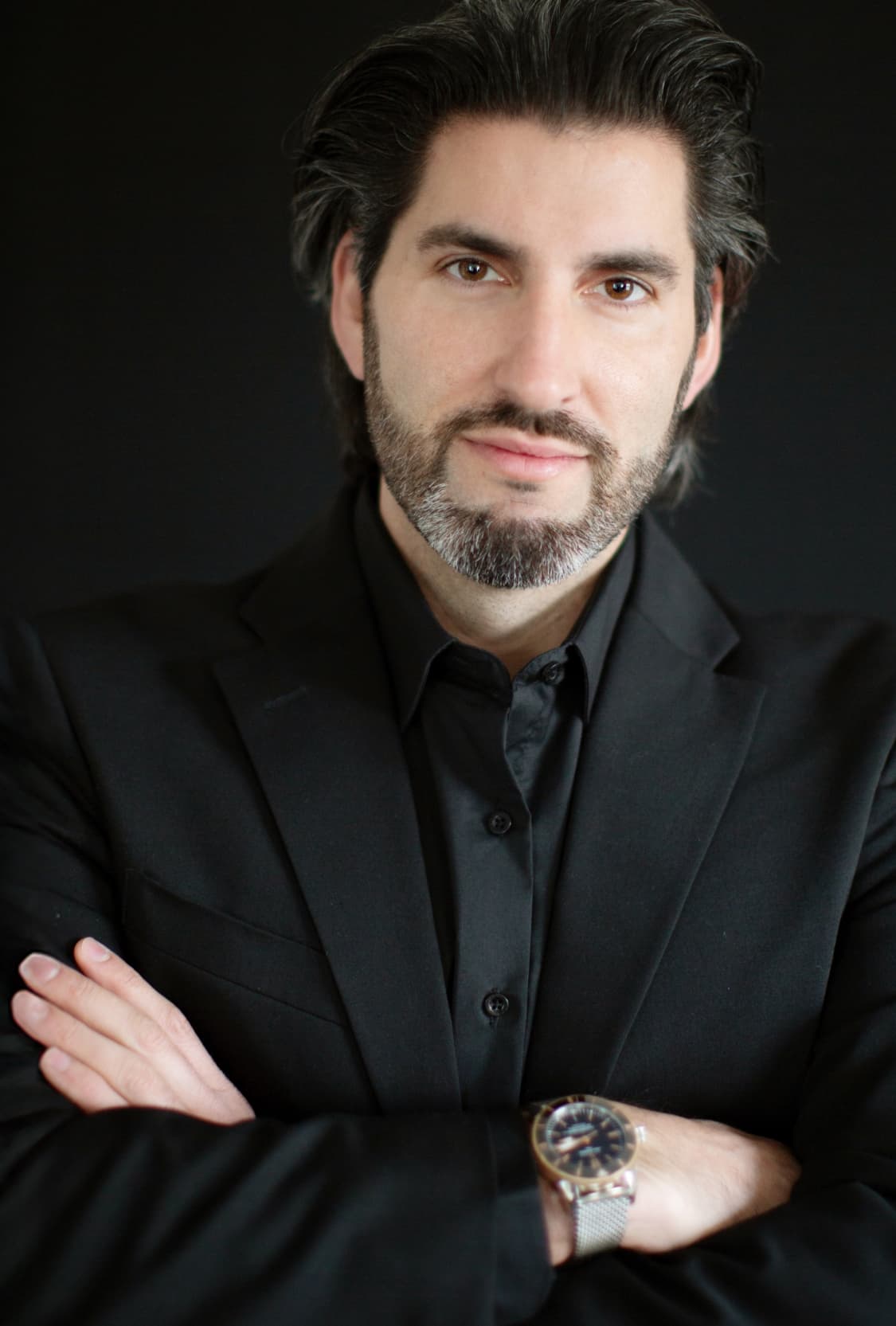
Meet Dr. Nicholas Karter
Dr. Karter is fellowship-trained, double board-certified facial plastic surgeon known for his exceptional results and patient-first philosophy. Learn what sets him apart below:
- Voted "Best Plastic Surgeon in Hartford"
- 15 Years of Facial Plastic Surgeon Experience
- Certified by 2 Prestigious Medical Boards
- Completed an Elite AAFPRS Fellowship
- 4.9 Average Rating on Google



Who’s Not a Good Facelift Candidate?
A facelift may not be the right first step for patients whose goals or circumstances don’t align with what surgery is designed to address. This can include individuals who:
- Have concerns primarily related to skin texture rather than facial laxity
- Have unmanaged medical conditions that affect surgical safety
- Are unable or unwilling to commit to a guided recovery process
- Smoke or use nicotine products, which can impair healing
- Experience significant or ongoing weight fluctuations
- Expect surgery to dramatically change their appearance rather than restore natural facial contours
In these situations, addressing skin quality, optimizing overall health, or considering nonsurgical treatments may provide meaningful improvement—or better prepare the body for future surgery. A thorough consultation helps determine whether a facelift is appropriate now or whether another approach will lead to effective results.
How Does Dr. Karter Evaluate Your Facelift Candidacy?
At Karter Advanced Facial Plastic Surgery, determining facelift candidacy is a process that goes well beyond checking boxes. He assesses your facial structure, aging pattern, skin quality, lifestyle factors, and personal goals to create an individualized recommendation.
With approximately 400 facelift procedures across his career and fellowship training in advanced facial plastic surgery, Dr. Karter brings a depth of pattern recognition to every candidacy assessment. This includes recognizing which patients are most likely to benefit from his extended deep plane facelift and deep neck lift approach versus a more conservative intervention.
This comprehensive evaluation process ensures that treatment decisions are driven by anatomy and outcomes—not trends or assumptions.
When To Speak With a Facial Plastic Surgeon
If you recognize yourself in these concerns and feel ready to explore a lasting solution, a consultation with Dr. Karter can help you proceed with confidence. Patients in Glastonbury and the Hartford area benefit most from guidance that prioritizes safety, natural-looking results, and long-term satisfaction over rushing into a decision.
At Karter Advanced Facial Plastic Surgery, every consultation includes a thorough exploration of your options, recovery expectations, and honest, transparent communication. Request a consultation by completing the online form or calling us at (860) 775-5595.
Request a Consultation