
By Nicholas Karter, MD — Double board-certified facial plastic surgeon, Karter Advanced Facial Plastic Surgery, Glastonbury, CT Medically reviewed by the author. Last updated September 1, 2026.
Finesse rhinoplasty is an approach to nose surgery that treats the nose as a single, interconnected structure rather than a collection of isolated problems. Instead of correcting only the feature a patient notices first (such as a dorsal bump, a wide tip, a nose that projects too far, etc.) each structure of the nose is adjusted together so the final result is balanced from every angle, not just improved in one spot.
What Does “Finesse Rhinoplasty” Actually Mean?
To me, a finesse rhinoplasty means looking at the nose holistically. By doing so, we make sure that any change made in one structure is complemented by a change in another, so that all the pieces fit together as a whole. The objective is a nose that suits the patient’s face and achieves their overall aesthetic goals.
Most patients who come to my Glastonbury office arrive with one specific complaint. Maybe it’s a bump on the bridge. Maybe the nose projects too far from the face, or the tip simply feels too big. That single concern is often what finally brings them in for a consultation. The problem becomes if I change only that one structure and leave everything else untouched, the nose usually won’t fit together correctly once it’s healed.
Why Fixing Just One Part of the Nose Often Backfires
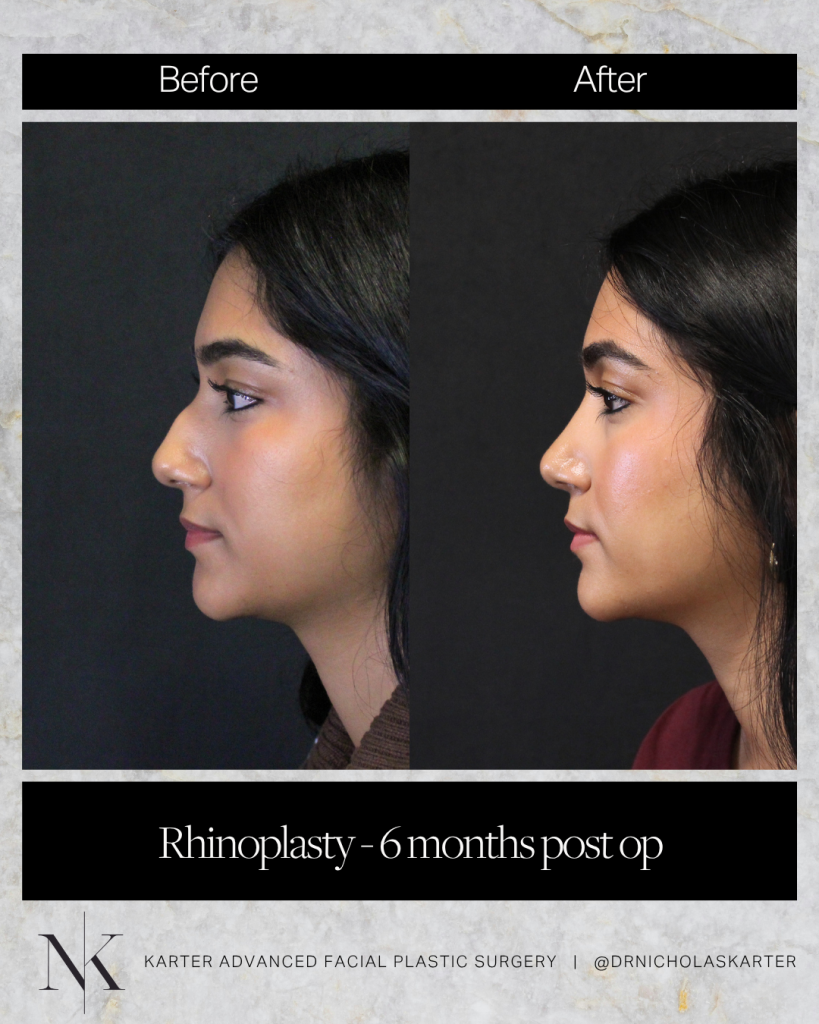
This is where finesse rhinoplasty differs sharply from older, more limited approaches to rhinoplasty surgery. For decades, the common practice was to make a small incision inside the nose, then use a rasp – essentially a surgical metal file – to shave down a dorsal bump. Often, every other structure was left exactly as it was.
The result of that technique is often a genuine improvement in the one area that originally bothered the patient, but a nose that doesn’t quite fit together as a whole. Just as often, areas that don’t the patient before surgery become noticeable afterward, simply because they no longer match the structure around them. A single change made in isolation can throw off the balance of the entire nose.
How Training Shapes This Approach
As a double board-certified facial plastic surgeon, I completed extensive training in head and neck surgery before pursuing secondary fellowship training focused specifically on facial plastic surgery. That background gives a surgeon a deep, structural appreciation for every component of the nose. We have an intimate understanding of the bone, the cartilage, and the soft tissue envelope, and how each of these structures influence on another.
Understanding how all of those pieces fit together as a system, rather than as separate parts to be corrected one at a time, is what allows for a final result that’s not only more balanced, but more natural-looking. We want to create a nose that looks as though it always belonged one that patient’s face.
What Does a Finesse Rhinoplasty Actually Address?
In practice, a finesse rhinoplasty typically involves adjustments across several connected areas of the nose in the same operation:
- The nasal bridge (dorsum): Almost every patient has some correction here. Often we are reducing dorsal humps that are both bony and cartilaginous in nature. This requires repositioning the nasal bones themselves, along with adjusting an area called the mid-vault, so the bridge maintains a consistent, even width along its entire length rather than narrowing or widening unnaturally at any one point.
- The nasal tip: Once the bridge has been addressed, the tip almost always needs to be adjusted to complement the new profile. This generally means reducing the size of the tip cartilages and reshaping them using suturing techniques, grafting techniques, or both. We refine the shape and projection of the tip so it’s proportional to the newly balanced bridge above it.
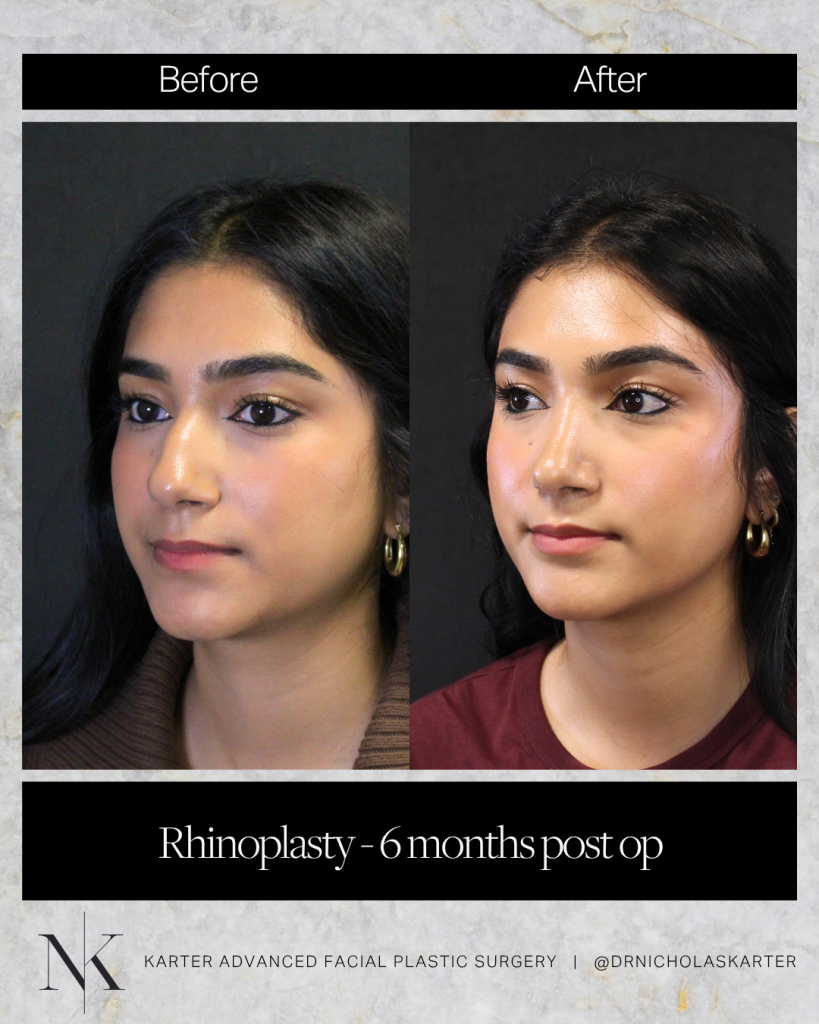
Addressing the entirety of bridge and the tip together, rather than one in isolation, is what produces a nose that looks beautiful from every angle. Whether seen straight on, in profile, and from below, we want to create a nose that genuinely fits the rest of the face.
Finesse Rhinoplasty FAQ
Is finesse rhinoplasty the same as a regular rhinoplasty? Finesse rhinoplasty isn’t a separate procedure category but rather a philosophy applied within rhinoplasty. Rather than correcting a single complaint in isolation, every structure of the nose (bridge, mid-vault, tip) is evaluated and, where needed, adjusted together so the final result is balanced as a whole.
Will a finesse rhinoplasty change the way my nose functions, not just how it looks? Because the approach considers the nose’s full structure rather than one isolated area, it’s well suited to addressing both aesthetic concerns and functional ones. Oftentimes issues such as reduced nasal breathing can be addressed at the same time as improving the aesthetic appearance of the nose.
Why does correcting only one part of the nose sometimes make other areas look worse? The nose is a connected structure. Older techniques, such as shaving a dorsal hump in isolation while leaving the rest of the nose untouched, can leave the corrected area out of proportion with everything around it. By taking an isolated approach, areas that never bothered a patient before surgery can become noticeable afterward since the nasal structures are no longer in proportion.
What training should I look for in a rhinoplasty surgeon? Look for double board certification and fellowship training specifically in facial plastic surgery, ideally with a background in head and neck surgery. That combination builds the structural, whole-face understanding that a finesse approach depends on.
How do I know if I’m a candidate for a finesse rhinoplasty? The best way to know is a consultation, where the entire structure of your nose (bone, cartilage, and how it relates to the rest of your face) is evaluated together. It’s important to evaluate the whole nose, not just the one feature that bugs you most.
Considering Rhinoplasty in Glastonbury or the Greater Hartford Area?
Dr. Nicholas Karter is a double board-certified facial plastic surgeon serving Glastonbury, Hartford, Wethersfield, Avon, and Farmington, CT, specializing in finesse rhinoplasty and revision rhinoplasty. Schedule a consultation to discuss your goals, or learn more about Rhinoplasty and Revision Rhinoplasty at Karter Advanced Facial Plastic Surgery.
Leave a Reply